 Health and Safety Policy for London Waste Removals
The following policy outlines the approach of London Waste Removals and associated waste collection services to managing health, safety and wellbeing across all operations. The policy is designed to protect employees, contractors, clients and the public while ensuring efficient and responsible waste handling. It reflects an organizational commitment to safe working practices, risk reduction and continual improvement in occupational safety and environmental stewardship.
 Purpose, Scope and Principles
This policy applies to all aspects of waste collection, transportation, temporary storage and disposal activities undertaken by our team. The core principles include prevention of injury and ill health, safe systems of work, effective training, competent supervision and the provision of appropriate resources. Our aim is to minimise hazards associated with manual handling, vehicle operations, hazardous materials and site-specific risks while promoting a culture of safety and responsibility across every waste removal project.
Responsibilities and Accountabilities
Senior management holds overall responsibility for health and safety, including policy implementation, resource allocation and compliance monitoring. Operational managers and site supervisors are responsible for day-to-day safety, ensuring risk assessments are current, that safe work methods are followed, and that staff receive suitable instruction. Individual employees must follow safe systems, use personal protective equipment (PPE) and report hazards. Contractors and temporary staff engaged by the business must meet the same standards and demonstrate competence prior to commencing work.
Key duties include:
- Carrying out and reviewing risk assessments and method statements
- Maintaining safe vehicles and lifting equipment
- Ensuring PPE is available and used
- Reporting incidents and near misses promptly
Risk Assessment, Safe Systems and Controls 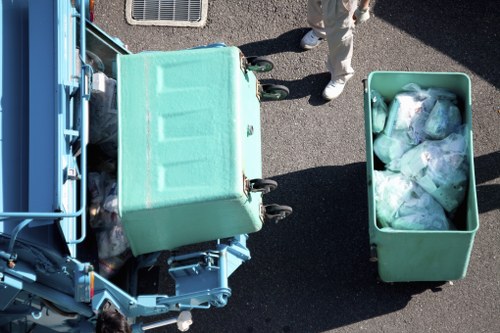
Comprehensive risk assessment underpins all work activities. Assessments identify physical, chemical and biological hazards, control measures and emergency actions. Controls include mechanical aids for lifting, safe loading procedures for bins and containers, segregation of hazardous waste streams, secure storage and clear signage. Where risks cannot be fully eliminated, safe systems of work and supervision are implemented to reduce exposure and prevent accidents. Regular reviews ensure that controls remain effective as tasks, plant or environments change.
Training and competence are essential controls. All staff receive induction training covering manual handling, vehicle safety, hazardous substance awareness and use of PPE. Ongoing training sessions, toolbox talks and practical assessments maintain and develop skills, while supervisors verify competence before assigning complex tasks.
Incident Reporting, Investigation and Emergency Response
All incidents, injuries, near misses and dangerous occurrences must be reported immediately and recorded. Investigations identify root causes and corrective actions to prevent recurrence. Emergency procedures are established for spill response, fire, vehicle collisions and medical emergencies. These include clear roles, communication channels and access to emergency equipment. Routine drills and scenario-based training ensure readiness and help refine response plans.
Equipment, Vehicles and Maintenance
Vehicles and plant used in waste collection are subject to planned maintenance and pre-use checks. Defects are reported and equipment removed from service until repaired. Loading limits are strictly observed and securing loads is mandatory to prevent shifting during transit. Electrical equipment is inspected and tested where applicable, and machinery guards are kept in place. Safe isolation procedures are used for maintenance and repairs to prevent accidental startup or release of energy.
 Personal Protective Equipment and Occupational Health
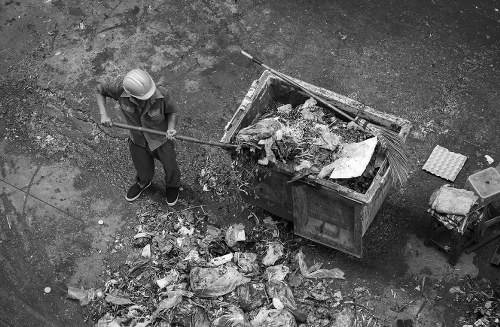
PPE is selected following risk assessment and provided at no cost to staff. Typical items include gloves, high-visibility clothing, safety footwear, eye protection and respiratory protection when required. Health surveillance is arranged for roles with exposure to hazardous substances or repetitive tasks. Policies support reporting of occupational health concerns, access to medical advice, and adjustments for staff returning after illness or injury to facilitate safe reintegration.
 Waste Segregation, Environmental Controls and Legal Compliance
Proper segregation of waste streams is enforced to reduce cross-contamination and environmental harm. Hazardous and controlled wastes are handled with specialist procedures, containment and documentation. Spill kits, secondary containment and contamination prevention measures are in place for loads and transfer locations. While this policy does not replace statutory guidance, it aligns with best-practice standards to ensure safe, compliant waste management across operations.
Monitoring, Review and Continuous Improvement
The company regularly audits operations, reviews incident trends and measures performance against safety objectives. Safety meetings, employee consultations and suggestion mechanisms support a learning culture. This policy is reviewed at defined intervals or after significant changes, incidents or legislative updates to ensure relevance and effectiveness. Commitment to ongoing improvement is demonstrated through investment in safer equipment, enhanced training and active engagement with the workforce to reduce risks and protect people and the environment.