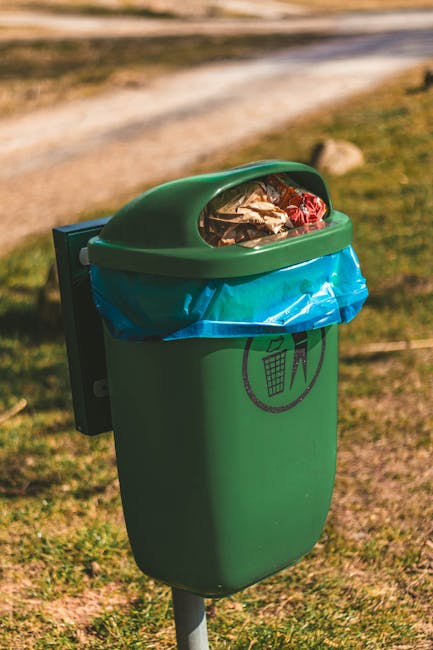
Hackney Council Rubbish Rules: What You Can and Can't Toss

If you live, work, or clear out property in Hackney, rubbish rules can feel a bit fiddly. One week it is a broken chair, the next it is a paint tin, a mattress, or a bag of garden cuttings that somehow multiplied overnight. The basics are straightforward enough once you know them, but the awkward items are where people get caught out.
This guide explains Hackney Council rubbish rules: what you can and can't toss in plain English. You will learn what usually goes in normal household waste, what needs special handling, what to keep out of your bin, and how to deal with bulky or awkward items without making a mess of it. We will also cover common mistakes, practical steps, and the safer ways to clear larger loads when the usual bin routine just will not cut it.
Truth be told, most problems happen because people are trying to do the right thing quickly. Fair enough. But a few minutes of sorting now can save you a rejected bin, a nasty smell, or that annoying moment when a collection is left behind because of one wrong item.
Why Hackney Council Rubbish Rules: What You Can and Can't Toss Matters
Rubbish rules are not just there to make life awkward. They are there to keep streets clear, reduce contamination in recycling, protect refuse crews, and stop hazardous items from ending up in the wrong place. In a busy borough like Hackney, where space is tight and bin storage can be limited, getting disposal wrong tends to show up fast.
A rejected bin or an overflowing pile outside a flat block is more than an eyesore. It can attract pests, create smell, block pavements, and lead to extra hassle for neighbours. And let's be honest, nobody wants to be the person whose leftover DIY waste has become a little landmark outside the building.
The rules also matter because not everything can safely go into standard rubbish collections. Some items contain liquids, sharp components, chemicals, electrical parts, or materials that need separate recycling. A bit of care here goes a long way. You keep the waste stream cleaner, and you reduce the chance of your load being refused.
There is also a cost angle. If you put the wrong thing out, you may need to re-sort it, store it longer, or arrange a different disposal route. For tenants, landlords, small businesses, and anyone managing a move or clear-out, that can turn a simple job into a fairly annoying one.
How Hackney Council Rubbish Rules: What You Can and Can't Toss Works
The simplest way to think about it is this: general household rubbish is for everyday waste that cannot be reused or recycled through a separate stream, while recycling, food waste, bulky waste, and special waste all need their own route.
In practice, the exact route depends on the item. A cereal box is one thing. A broken toaster is another. A half-full paint tin is another again. That is where people tend to get stuck, because the item looks like rubbish, but it may need handling as electrical, hazardous, or bulky waste.
Here is a plain-English breakdown of the main categories most residents run into:
- General rubbish: non-recyclable household waste such as hygiene items, dirty packaging, and small mixed waste that cannot be sorted cleanly.
- Recycling: clean dry materials like paper, cardboard, cans, glass, and certain plastics, depending on local guidance and contamination levels.
- Food waste: cooked and uncooked food scraps, peelings, and similar kitchen waste where a separate collection exists.
- Bulky items: furniture, mattresses, large appliances, and other items too big for normal bins.
- Hazardous items: chemicals, batteries, paints, gas canisters, sharps, and some electricals, which need special care.
One thing worth saying clearly: if an item is dirty, wet, mixed with grease, or contaminated with food, it may no longer be suitable for recycling even if the material itself is normally recyclable. That little detail trips up a lot of people.
For bigger clear-outs, it can be easier to use a dedicated service rather than trying to squeeze everything into council bins. If you are dealing with a flat, house, or loft full of mixed items, a service such as house clearance support or flat clearance help can save a lot of sorting time. If the load is mainly general rubbish, waste removal is often the more straightforward route.
What you can usually toss with normal household waste
Exact collection rules can vary by property type and bin arrangement, but the following items are often acceptable in standard household rubbish when they cannot be recycled cleanly:
- used tissues and wipes that are not flushable
- sanitary waste
- broken household odds and ends that are too small to reuse
- mixed packaging that is heavily contaminated
- small amounts of non-recyclable plastic film or wrappers, where local guidance allows
Even here, a quick check is smart. The rule of thumb is simple: if it is recyclable and clean, recycle it; if it is contaminated or mixed beyond easy sorting, it may belong in general waste.
What should not just be tossed in the bin
Some items are almost always the wrong fit for regular household rubbish:
- batteries
- electrical items and appliances
- paint, solvents, and chemicals
- gas canisters or pressurised containers
- asbestos or suspected asbestos materials
- needles, blades, or other sharps
- large furniture and mattresses
- construction rubble, soil, plasterboard, and similar DIY waste
That does not mean these items are impossible to dispose of. It means they need the right route. For example, furniture is often better handled through a specialist furniture disposal service or a broader furniture clearance, while DIY debris usually belongs with builders waste clearance rather than the weekly bin.
Key Benefits and Practical Advantages
Following the rules is not just about avoiding trouble. It makes the whole disposal process easier, cleaner, and less expensive in the long run.
- Fewer rejected collections: If your waste is sorted properly, crews are less likely to leave it behind.
- Better recycling outcomes: Clean, separated materials are more likely to be recovered rather than landfilled.
- Less clutter at home: When you know what goes where, clear-outs happen faster.
- Lower risk of contamination: One wrong item in the recycling bin can spoil the lot. Annoying, but true.
- Safer handling: Hazardous and sharp items stay away from bin crews, neighbours, and children.
There is also a mindset benefit. Once you understand the system, disposal stops feeling like guesswork. You can look at a pile of stuff in the kitchen, garage, or hallway and make quick decisions instead of hovering over it like it might bite.
For landlords and business owners, the upside is even more obvious. Good sorting keeps communal areas tidy, reduces complaints, and helps a property feel looked-after rather than neglected. That matters, especially in shared buildings where one bag left out too long can become everybody's problem by Tuesday morning.
Who This Is For and When It Makes Sense
This guide is for anyone in Hackney who needs to get rid of waste properly, but it is especially useful if you are in one of these situations:
- moving house and sorting out years of accumulated clutter
- clearing a flat after tenants leave
- tidying a loft, garage, or spare room
- disposing of old furniture or broken appliances
- dealing with garden waste after a weekend cut-back
- managing office or business rubbish without upsetting neighbours
- removing builders waste after a DIY project
If the waste is small, clean, and routine, council collections may be enough. If the waste is bulky, mixed, or time-sensitive, a private clearance can be a lot less stressful. For example, after a kitchen rip-out, you may not want plasterboard dust, broken cabinets, and packaging sitting around for a week. That is where builders waste clearance or a broader waste removal service becomes useful.
If you are a business, the rules matter even more because commercial waste must be managed carefully and separately from household rubbish. A dedicated business waste removal service can help keep things compliant and simple.
Step-by-Step Guidance
If you are standing in front of a pile of stuff and not sure where to start, use this simple process.
- Separate the obvious recycling first. Clean cardboard, paper, cans, bottles, and similar items should be pulled out before anything else.
- Identify anything hazardous or sharp. Look for batteries, electricals, paint, aerosols, broken glass, blades, and chemicals.
- Split bulky items from small waste. Chairs, mattresses, wardrobes, and appliances need different handling from bagged rubbish.
- Check for reuse. If something still works or can be donated, that is often better than disposal. A battered bookshelf may still have one good life left in it.
- Choose the right disposal route. Use normal bins for suitable small waste, and specialist services for the rest.
- Bag and contain loose waste properly. Loose rubbish spills easily and makes collections harder.
- Keep access clear. If crews need to reach a basement, alley, or top-floor flat, make sure the path is safe and obvious.
For larger home jobs, it can help to work room by room. Start with the kitchen or hallway first; these spaces usually hide the most mixed rubbish. Then move to storage areas like the loft and garage. If you need a dedicated clear-out, services such as loft clearance and garage clearance are often the cleanest way to tackle hidden clutter without dragging it out over several weekends.
Small note from experience: once you open a forgotten storage corner, the strange stuff tends to arrive in waves. Old cables, half-empty tins, a broken lamp, and something that is either a spare curtain rail or a modern sculpture. Happens every time.
Expert Tips for Better Results
A few practical habits make rubbish disposal much smoother. Nothing fancy. Just the sort of things people learn after dealing with enough bin day chaos.
- Keep one "questionable items" box. Put batteries, chargers, cables, and small electrical bits in one place until you can sort them properly.
- Flatten cardboard early. It saves space and reduces the chance of loose packaging blowing around.
- Drain and dry containers where appropriate. A greasy takeaway tub can spoil a recycling bag very quickly.
- Never mix wet waste with dry recycling. Damp cardboard and soggy paper are usually a no-go.
- Pre-sort before collection day. Sorting the night before is better than doing it at the kerb with the clock ticking and the rain coming down.
If you have several large items, check whether a single clearance is more sensible than multiple trips. In our experience, people often underestimate how long it takes to move a sofa, a wardrobe, and three heavy bags down a narrow stairwell. That is when a service like furniture clearance becomes the easier option.
Also, if you are trying to keep costs sensible, think about what can be sold, donated, or reused before paying to dispose of it. Not everything needs to become waste straight away. A bit of judgement helps.
Common Mistakes to Avoid
Most disposal problems come from the same handful of mistakes. Avoid these and you are already ahead of the game.
- Putting electricals in general rubbish. Even small items like kettles, mixers, and fans usually need separate treatment.
- Throwing in paint or chemicals. Liquid products should never be treated like everyday bagged waste.
- Overfilling bags. Heavy bags split, and split bags create litter fast.
- Mixing recycling with food waste. One greasy container can spoil a whole bag of otherwise good material.
- Leaving bulky waste outside too early. That can attract fly-tipping, complaints, or weather damage.
- Assuming all furniture is recyclable through normal bins. It is not. Big items need a separate route.
One subtle mistake is storing waste "just for now" in a hallway or front garden. It feels harmless for a day or two, then suddenly it is in the way, looking worse than you expected, and slightly damp as well. Nobody enjoys that smell.
Another common issue is forgetting that commercial waste should not be handled like household waste. If you run a shop, office, salon, or similar premises, keep business waste separate and use a proper service route. The paperwork may not be glamorous, but it matters.
Tools, Resources and Recommendations
You do not need a whole toolbox to deal with waste properly, but a few simple items make life easier:
- Strong bin bags: choose ones that can handle weight without splitting.
- Gloves: especially useful when handling broken items or dusty loft contents.
- Marker pens and labels: helpful for separating keep, donate, recycle, and dispose piles.
- Tape and cable ties: useful for bundling loose electrical cords or stabilising cardboard.
- A sack truck or trolley: worth it for heavier items and awkward building access.
For more complex clear-outs, look at the type of waste you actually have, not just the room it came from. A garage full of mixed junk is not really "garage waste"; it may include garden waste, old furniture, small DIY debris, and general rubbish all at once. That is why services like garden clearance, garage clearance, and home clearance can be more practical than trying to treat everything the same way.
If you care about recycling outcomes, take a look at a provider's approach to sorting and recovery. A service with a clear recycling and sustainability focus is usually better aligned with proper disposal habits, especially when the load is mixed.
Law, Compliance, Standards and Best Practice
Waste disposal in the UK is governed by general legal duties around safe handling, proper transfer, and responsible disposal. You do not need to memorise the legal framework to make a sensible choice, but you should understand the basic principle: waste must go to the right place, and hazardous items need extra care.
For householders, the practical standard is simple. Use the council system properly, follow local collection guidance, and keep prohibited items out of normal bins. For landlords, letting agents, and businesses, the duty is broader: waste needs to be stored safely, transferred responsibly, and handed to a legitimate collector where required. That is not the sort of thing to shrug off.
Best practice also means reducing contamination, keeping access safe for collectors, and not placing waste where it blocks pavements, driveways, or fire routes. In shared buildings, this can become a real issue very quickly. A single mattress in the wrong place can make the entrance feel like a storage cage. Not ideal.
If you are hiring a clearance company, check the basics: insurance, safety procedures, clear communication, and transparent terms. Those things matter because waste work is physical, messy, and occasionally tricky. If you want a sense of how a provider approaches risk and handling, pages like insurance and safety, health and safety policy, and terms and conditions are worth reading before you book.
Options, Methods, or Comparison Table
There is no single "best" way to dispose of waste. It depends on what you have, how much of it there is, and how quickly it needs to go.
| Option | Best for | Pros | Watch out for |
|---|---|---|---|
| Normal household bin | Small general rubbish | Simple, familiar, low effort | Not suitable for bulky, hazardous, or recyclable items |
| Kerbside recycling | Clean dry recyclable materials | Efficient and responsible | Contamination can cause rejection |
| Bulky collection / clearance | Furniture, mattresses, mixed household items | Handles awkward loads | May need booking and sorting first |
| Builders waste clearance | DIY rubble, wood, plasterboard, renovation debris | Better for heavy, mixed construction waste | Not a catch-all for household rubbish |
| Business waste removal | Commercial premises and workplace rubbish | Keeps waste streams separate and manageable | Needs proper planning and separation |
If you are unsure, the safest approach is to sort by material and risk, not by convenience. Convenience is lovely, but waste disposal punishes shortcuts.
Case Study or Real-World Example
A fairly typical Hackney scenario goes like this. A couple clears out a one-bedroom flat after a move. At first glance, it looks like one job: a bed frame, a small wardrobe, two broken lamps, bags of old clothes, a pile of cardboard, and a few kitchen bits.
Then the sorting starts. The cardboard is fine for recycling once flattened and kept dry. The old clothes can be donated if they are in decent condition. The broken lamps are electrical waste. The wardrobe is bulky furniture. The chipped mugs and mixed kitchen leftovers are general rubbish. One paint tin from a DIY touch-up cannot just be chucked in with the rest either.
What seemed like one pile of "stuff" becomes four or five different waste streams. That sounds annoying, but it is actually useful. Once separated, the load is easier to handle and cheaper to deal with than if everything is dumped together and left for someone else to sort out.
They ended up using a combined clearance approach: a bit of household sorting, a furniture disposal route for the larger pieces, and a separate plan for the awkward leftovers. The result was quicker than doing it all piecemeal, and the flat was cleared without the weekend disappearing into bin-related admin. Which, to be fair, is a good outcome for anyone.
Practical Checklist
Use this checklist before you put anything out for collection or book a clearance:
- Have I separated recycling from general rubbish?
- Are any items wet, greasy, or contaminated?
- Do I have batteries, electricals, or cables mixed in with normal waste?
- Are there any chemicals, paint, sharps, or pressurised containers?
- Is there bulky furniture, a mattress, or appliance that needs special handling?
- Is any of this waste from DIY or building work?
- Have I checked whether anything can be reused or donated?
- Is the waste bagged, contained, and easy to move safely?
- Will the collection point be clear and accessible?
- Do I need a specialist service instead of a normal bin?
If you can tick most of those boxes, you are probably in good shape. If several answers are "not sure", that is your cue to pause and sort properly before you move on.
Get a free quote today and see how much you can save.
Conclusion
Hackney Council rubbish rules are really about common sense, tidy sorting, and using the right disposal route for the right item. Once you know what belongs in general waste, what should be recycled, and what needs specialist handling, the whole thing becomes much easier.
The main takeaway is simple: do not guess with bulky, hazardous, or mixed waste. Separate what you can, keep recyclables clean, and use a proper clearance option when the pile is too awkward for normal bins. That approach protects your home, your neighbours, and your own time.
And if you are standing in front of a stubborn pile right now, don't worry. It is fixable. One box, one bag, one decision at a time. That is usually how the job gets done.
Frequently Asked Questions
What can I put in my general rubbish bin in Hackney?
General rubbish is usually for non-recyclable household waste that cannot be separated cleanly. Think used tissues, sanitary waste, dirty packaging, and mixed rubbish that is not suitable for recycling. If something is clean and recyclable, it should usually be diverted instead.
Can I throw away small electrical items with normal rubbish?
Usually not. Small electricals like kettles, toasters, chargers, and lamps should be handled separately because they contain components that need special processing. Treat them as electrical waste, not ordinary bin waste.
Where do broken furniture and mattresses go?
Broken furniture and mattresses are bulky waste, so they normally need a separate collection or specialist disposal route. If you have several items together, a furniture clearance service is often the simplest option.
Can I put paint tins in the bin?
Not if they still contain paint or liquid residue. Paint and similar products can be hazardous and should be handled carefully. Even empty tins should be checked before disposal because some materials are not suitable for normal rubbish.
Are garden cuttings allowed in household bins?
Small amounts sometimes are, depending on local collection arrangements and the amount you have. Larger volumes of branches, soil, turf, and green waste are usually better handled through a garden-specific route or clearance service.
What should I do with batteries and cables?
Batteries should never go in general rubbish. Cables and chargers are best separated with other electrical items so they can be handled correctly. Keep them together in a small container until you are ready to dispose of them properly.
Can I leave bulky rubbish outside for collection early?
It is better not to leave bulky waste out too early. Early placement can attract fly-tipping, block access, or lead to weather damage. Put items out only when the collection timing is clear and safe.
Do business premises follow the same rubbish rules as homes?
Not exactly. Businesses need to manage commercial waste separately and make sure it is collected and documented properly. A business waste removal option is usually the more suitable route for offices, shops, and other workplaces.
What happens if I mix recycling with general waste?
Mixed waste can contaminate the recycling stream and reduce what can be recovered. In some cases, an entire bag or load may be rejected. It is worth taking an extra minute to keep clean recyclables separate.
Is builders waste different from household rubbish?
Yes, it is. Builders waste includes debris from renovation or DIY work such as wood, rubble, plasterboard, tiles, and packaging from construction materials. It should be handled through a builders waste clearance route rather than regular household bins.
How do I know whether to use council collection or a private clearance service?
If the waste is small, routine, and clearly within the normal collection rules, council collection may be enough. If it is bulky, mixed, heavy, urgent, or potentially hazardous, a private clearance service is often the better fit. That is especially true when you are clearing a whole room or property.
Where can I learn more about safe disposal and sustainability?
Look for guidance on waste sorting, safe handling, and recycling habits, and review the provider's approach to sustainability. A clear recycling and sustainability policy is a good sign that the company handles waste with care rather than just rushing it away.