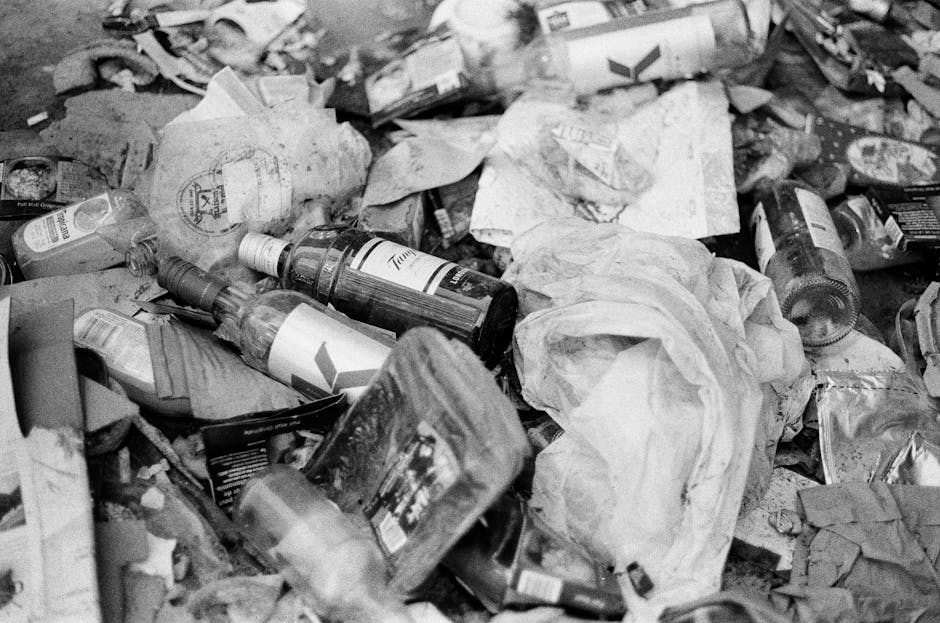
Greenwich rubbish collection near Cutty Sark landmark
If you are trying to sort out Greenwich rubbish collection near Cutty Sark landmark, you are probably dealing with one of two things: a pile of waste that needs moving fast, or a clear-out that has become a bit more complicated than expected. Maybe it is a flat near the river, a shop off the busy pedestrian routes, or a home where bulky items have quietly multiplied in the hallway. Either way, rubbish removal in this part of Greenwich has its own rhythm. Access can be tight, streets can be busy, and timing matters more than people first think.
This guide explains how local rubbish collection works, what to look for, what to avoid, and how to choose the right route for your situation. We will keep it practical. No fluff. Just the kind of advice that helps you make a decent decision without wasting an afternoon on guesswork.
If you are comparing full-property clearances with smaller waste pickups, it can also help to look at broader services such as waste removal or more specific options like flat clearance when the job is bigger than a simple bin run.
Table of Contents
- Why Greenwich rubbish collection near Cutty Sark landmark Matters
- How Greenwich rubbish collection near Cutty Sark landmark Works
- Key Benefits and Practical Advantages
- Who This Is For and When It Makes Sense
- Step-by-Step Guidance
- Expert Tips for Better Results
- Common Mistakes to Avoid
- Tools, Resources and Recommendations
- Law, Compliance, Standards, or Best Practice
- Options, Methods, or Comparison Table
- Case Study or Real-World Example
- Practical Checklist
- Conclusion
- Frequently Asked Questions
Why Greenwich rubbish collection near Cutty Sark landmark Matters
Cutty Sark is one of those Greenwich locations that everyone seems to know, even if they have only passed through once on a breezy afternoon. It is a landmark area, which means rubbish collection is not just about "getting rid of stuff". It is about doing it neatly, safely, and with a bit of respect for the surrounding streets, footfall, and residential mix.
In practice, this matters for several reasons. First, the area often combines homes, short-term stays, shops, and visitor traffic. That can make collections awkward if waste is left out at the wrong time or in the wrong place. Second, the local setting means access can be more constrained than in a typical suburban street. A large van may need careful parking, and a collection team may have to work around narrow pavements, loading restrictions, or shared entrances. Third, if you are near a landmark area, presentation matters. Nobody wants bags standing out for longer than necessary. Truth be told, they start to look messy very quickly.
There is also a straightforward practical side. If waste builds up, it can attract pests, create safety issues, and make a property harder to use properly. For landlords, letting agents, businesses, and homeowners alike, a clean space usually means less stress. Simple enough, really.
Practical summary: Near Cutty Sark, rubbish collection works best when it is planned around access, timing, and the type of waste being removed. The more specific the job, the smoother the clearance.
How Greenwich rubbish collection near Cutty Sark landmark Works
Rubbish collection in this part of Greenwich usually falls into a few common patterns. You might book a one-off collection for a bulky item. You might need a full room, loft, or flat emptied. Or you may simply need regular waste support for a business that produces more than standard domestic bins can handle. The route you take depends on the amount, type, and urgency of the waste.
A typical service begins with a description of what needs removing. Good providers will ask what kind of items you have, where they are located, and whether there are access issues. That last part is important. A third-floor flat without a lift is a very different job from curbside bag collection. Small detail, big difference.
After that, you usually receive a quote or estimate. Some jobs are straightforward, but awkward access, heavy furniture, mixed waste, or special items may affect the final price. If you are comparing offers, the most useful quotes are the ones that explain what is included: labour, loading, transport, disposal, and any extra handling. A vague number is not always a bargain. Sometimes it is just vague.
Once booked, the team arrives, loads the waste, and takes it away for sorting, reuse, recycling, or disposal depending on the item type. If you are removing a sofa, broken wardrobe, or old mattress, it is worth looking at targeted guidance such as legal disposal routes for sofas and mattresses. That sort of item needs a bit more care than a bag of general rubbish.
For larger clear-outs, the service might overlap with a home clearance or a furniture clearance. In a real household, these jobs often blend together. One room turns into three, then someone remembers the loft, and suddenly it is not a "quick removal" anymore. Happens all the time.
Key Benefits and Practical Advantages
The main benefit is obvious: you get your space back. But the real value goes beyond that.
- Less disruption: A coordinated collection reduces the time waste sits around your home or business.
- Better access and safety: Clearing corridors, entryways, and stairwells lowers the chance of trips and blockages.
- More suitable for awkward properties: In busy Greenwich streets, a professional team can often manage access more efficiently than a DIY approach.
- Useful for bulky or mixed items: Furniture, bagged waste, and odd bits from a clear-out can all be handled together.
- Improved appearance: Near a landmark area, a tidy frontage makes a noticeable difference, even if it sounds a bit obvious.
- Better disposal outcomes: Proper sorting can support reuse and recycling where the items allow it.
There is another benefit people do not always think about: mental relief. A room full of old furniture, boxes, or leftover renovation waste can weigh on you more than you expect. Once it is gone, the place feels lighter. You notice the floor again. The windows look bigger. Funny how that works.
If you are in the middle of a bigger project, related services like home clearance or furniture clearance can be more efficient than booking several smaller jobs one after another.
Who This Is For and When It Makes Sense
This kind of rubbish collection makes sense for a wide range of people around Cutty Sark and wider Greenwich. It is not just for big refurbishments or extreme clear-outs. More often, it is for the ordinary situations that get inconvenient quickly.
Common users include:
- Residents clearing out a flat after a tenancy change
- Homeowners dealing with old furniture, boxes, or loft clutter
- Landlords preparing a property for new occupants
- Letting agents arranging a quick turnaround between tenancies
- Local businesses needing removal of packaging, office waste, or surplus stock
- People handling probate, downsizing, or family property clearances
It also makes sense if you have items that are too large for normal bin collections, too heavy to move alone, or too many to deal with over the course of several council collection days. Let's face it, nobody wants to drag a wardrobe down stairs at 7 a.m. before work.
For business users, a service such as business waste removal or office clearance can be the better fit, especially when you need a tidy handover and minimal disruption to staff or customers.
Step-by-Step Guidance
If you want a smooth experience, it helps to approach the job in stages. The process does not need to be complicated, but a little structure saves a lot of back-and-forth.
- Identify the waste clearly. Separate furniture, bags, recyclables, green waste, and anything that might need special handling.
- Check access. Note stairs, lifts, parking, loading restrictions, and whether items need moving through shared corridors.
- Take a few photos. In many cases, images make quoting easier and reduce surprises later.
- Ask what is included. Make sure labour, loading, transport, and disposal are clear from the start.
- Book a time that works with the area. Near tourist routes and local traffic pinch points, timing can matter a lot. Early morning or quieter periods may be easier, depending on the property.
- Prepare the items. If you can safely gather waste into one area without blocking exits, it usually speeds things up.
- Keep essentials aside. A simple mistake, but a costly one if a useful item gets bundled in with the rubbish.
- Do a final walk-through. Check cupboards, sheds, lofts, and behind doors before the team leaves.
A quick real-world note: in many clear-outs, the first pass reveals items people forgot they had. Old printer cables, paint tins, broken chairs, that sort of thing. It happens. Build a little extra time into the job if you can.
Expert Tips for Better Results
The best results usually come from being more specific than you think you need to be. Clear photos, honest item lists, and straightforward access details usually beat a guess every time.
Tip 1: Separate reusable items from general waste. A service that handles mixed waste may still be able to sort items better if you identify furniture, cardboard, metal, and electronics in advance.
Tip 2: Be upfront about awkward access. If the collection point is through a narrow stairwell, back alley, or shared entrance, say so early. Nobody likes a surprise at the front door.
Tip 3: Avoid overfilling bags. This sounds basic, but overloaded bags slow everything down and can cause splitting. Better to use more bags than one overstuffed monster.
Tip 4: Keep a small "must keep" zone. If you are sorting during the collection, create a clearly marked area for documents, chargers, keys, and sentimental items. Saves headaches later.
Tip 5: Think in terms of access, not just volume. Ten small bags on the fifth floor can be harder than one large item at street level. The physical route matters.
For larger domestic jobs, a service like loft clearance can be a sensible add-on when the clutter spreads upward into the attic space. And if you are dealing with a garage full of odds and ends, garage clearance is often the cleaner solution than trying to chip away at it over several weekends.
Small practical trick: if you are unsure whether an item should go, place it in a separate "decision" pile. That tiny pause often prevents accidental disposal. Not glamorous, but useful.
Common Mistakes to Avoid
Most problems with rubbish collection are preventable. They usually come down to planning, assumptions, or a bit of last-minute panic.
- Leaving waste out too early: In a busy area, this can create a mess and draw complaints.
- Forgetting access restrictions: A van may not be able to stop exactly where you want it.
- Mixing hazardous or specialist items with general waste: Items such as certain paints, chemicals, sharps, or contaminated materials may need separate handling.
- Not measuring bulky furniture: A sofa that "should fit" often does not fit once you reach the stairs.
- Booking the wrong service type: A basic collection may not be enough for a whole-property clear-out.
- Choosing on price alone: Cheap quotes can hide exclusions. If something feels too neat, read the details again.
- Not checking what happens after pickup: Responsible disposal, recycling, and reuse processes matter more than many people realise.
One more thing: do not assume that every item is handled the same way. Garden waste, office waste, furniture, and construction debris are not identical jobs. A good provider will treat them differently. If they do not, that is a warning sign.
Tools, Resources and Recommendations
You do not need specialist equipment to prepare for a rubbish collection, but a few simple tools make life easier.
- Heavy-duty bags: Better for mixed household waste and smaller items.
- Marker labels: Useful if you are separating keep, donate, and remove piles.
- Tape measure: Handy for sofas, wardrobes, beds, and anything awkwardly shaped.
- Gloves and sturdy shoes: Sensible for sorting sharp edges, dust, or old storage spaces.
- Phone camera: Helps you document the waste and share images for quotes.
- Clear floor space: Even a small staging area can speed up loading.
For specific item types, it can be worth looking at targeted help. For example, if you are dealing with a sofa replacement, the practical advice in sofa removal price guidance can help you understand what affects cost. If you are working through a flat clearance on a tight street, bulky waste solutions for London flats is also useful reading.
And if sustainability matters to you, which it should, then ask how items are sorted after collection. Reuse where possible. Recycling where suitable. Disposal only where necessary. That is the sensible order of things.
Law, Compliance, Standards, or Best Practice
Waste removal in London should be treated carefully. You do not need to become an expert in regulations to book a collection, but you should expect the service to handle waste responsibly and in line with accepted UK practice. That includes safe handling, sensible transport, and appropriate disposal routes for different waste types.
For householders, the main point is simple: avoid fly-tipping, do not leave waste in a way that creates obstruction, and make sure whoever collects your rubbish is operating properly. If you hand waste to the wrong person, it can come back to you in the form of a problem later. That is not scare-mongering; it is just a good reason to choose carefully.
For businesses, the standards are even more important. Commercial waste often needs clearer documentation, regular scheduling, and more attention to security. Offices, shops, and hospitality venues near a landmark area can also need extra care around timing and visibility. You do not want bags sitting out front during peak visitor hours if you can avoid it.
Health and safety best practice matters too. Heavy lifting, sharp edges, dust, and awkward stairwells all create risk. A provider should work with appropriate equipment and sensible manual handling habits. If a team looks rushed or casual around heavy items, that is not a great sign. Not ideal at all.
If you want an idea of the sort of standards a reliable provider should respect, pages like insurance and safety and health and safety policy can help you understand what professional practice should look like.
Options, Methods, or Comparison Table
There is more than one way to deal with rubbish near Cutty Sark. The right option depends on volume, urgency, and the kind of waste you have. Here is a simple comparison.
| Method | Best for | Strengths | Trade-offs |
|---|---|---|---|
| One-off rubbish collection | Small to medium waste loads | Quick, convenient, usually straightforward | May not suit very large or mixed clear-outs |
| Full flat or house clearance | End-of-tenancy, downsizing, probate, major declutter | Covers lots of items at once | Needs more planning and access detail |
| Bulky item removal | Sofas, beds, wardrobes, mattresses | Good for awkward single items | May be less cost-effective for bigger mixed jobs |
| Commercial waste pickup | Shops, offices, workspaces | Better for recurring or business-specific waste | Needs clear scheduling and waste separation |
| DIY disposal | Very small loads if you have transport and time | Can seem cheaper at first | More effort, more trips, more risk of mistakes |
For many people near Greenwich, the sweet spot is a professional collection that can manage access and removal in one go. DIY can work for very small loads, sure, but once you add stairs, parking, and bulky furniture, it gets old fast.
Case Study or Real-World Example
Take a typical flat clear-out near the Cutty Sark area. A tenant moves out, leaving a broken desk, a mattress, several bags of mixed household waste, and a small pile of cardboard. On paper, it sounds manageable. In reality, the flat is on an upper floor, the stairwell is narrow, and the building shares an entrance with other residents.
The most efficient approach is to sort the items first, confirm access, and remove everything in one booked visit. The mattress and desk are handled as bulky items, while the cardboard and bagged waste are loaded separately. Because the team knows about the stairwell in advance, they bring the right equipment and allow enough time. No last-minute scrambling. No dragging things back and forth.
That sort of job often finishes much cleaner than a piecemeal approach. The hallway is left clear, the landlord can inspect the property, and the outgoing resident does not have to worry about whether something was missed under a bed or behind a door. A bit dull perhaps, but that is exactly what good rubbish collection should feel like: uneventful in the best possible way.
Practical Checklist
Use this before you book or on the day of collection.
- Have you listed everything that needs removing?
- Do you know whether any items need special handling?
- Are stairs, lifts, parking, and entry routes clear?
- Have you separated keep, donate, recycle, and remove piles?
- Are fragile or valuable items set aside safely?
- Have you checked what the quote includes?
- Do you know the preferred collection time?
- Is there enough room for loading without blocking exits?
- Have you removed personal documents and keys from drawers and cupboards?
- Are you happy with how the waste will be processed after collection?
If you can tick most of those off, you are already ahead of the game. It is rarely the grand gesture that saves time. Usually it is the small stuff. Annoying, but true.
Conclusion
Greenwich rubbish collection near Cutty Sark landmark is really about making a practical job feel manageable. With the right planning, the right type of service, and a clear understanding of access, it becomes much easier to clear clutter without creating more of it. That matters in a place like Greenwich, where surroundings, timing, and presentation all carry a bit more weight than they might elsewhere.
Whether you need a single bulky item removed, a flat cleared, or a full waste pickup for a business, the best results come from being specific and realistic. Know what you have, know where it is, and choose a provider that understands the local area. Simple advice, but solid. And honestly, that is usually the stuff that works.
Get a free quote today and see how much you can save.
When the rubbish is gone and the space is open again, you notice the difference straight away. It feels lighter, calmer, a bit easier to breathe in. That is the real win.
Frequently Asked Questions
What counts as rubbish collection near Cutty Sark?
It usually includes the removal of bagged waste, bulky household items, unwanted furniture, and mixed clear-out material from homes or businesses close to the landmark area. The exact service depends on the provider and the type of waste.
Do I need a full clearance or just a rubbish pickup?
If you only have a few bags or one bulky item, a pickup may be enough. If you are clearing multiple rooms, a loft, a garage, or an entire flat, a clearance service is usually the better fit.
Can rubbish be collected from flats with stairs?
Yes, usually. Just make sure you mention the stairs, floor level, and any access limits when you book. That helps avoid delays and makes the quote more accurate.
What if I have furniture as well as general rubbish?
That is common. Many jobs include both. Furniture should be described clearly so the team can plan for lifting, loading, and disposal properly.
How far in advance should I book?
If the job is simple, short notice may be possible. For larger clear-outs, especially in busy Greenwich streets, booking ahead gives you more flexibility and a smoother collection time.
Is it cheaper to do it myself?
Sometimes, but not always. Once you factor in transport, parking, time, lifting, and possible disposal issues, a professional collection can be better value than it first looks.
What should I do with old mattresses or sofas?
Those are bulky items that often need specific handling. It is best to separate them from general waste and mention them early when requesting a quote.
Can a rubbish collection help after a tenancy ends?
Yes. End-of-tenancy clear-outs are one of the most common reasons people book rubbish removal, especially when they need a property ready quickly for inspection or re-letting.
What if I am not sure whether something can be recycled?
Put it aside and ask before collection if you are unsure. Mixed waste is common, but some items are better handled separately depending on their material and condition.
How do I know a rubbish collection service is reliable?
Look for clear pricing, sensible communication, proper handling of waste, and straightforward explanations about disposal. If the quote is vague or the process feels rushed, that is worth paying attention to.
Will the team clear up after loading the waste?
A good provider should leave the area tidy, though the exact level of clean-up can vary by job. It is sensible to confirm what is included before the collection day.
What should I tell the provider before booking?
Tell them what items you have, how much waste there is, where it is located, and whether there are access issues. The more accurate the information, the better the result.
Is commercial rubbish collection different from home collection?
Yes, usually. Commercial jobs may involve more regular scheduling, different waste types, and more attention to timing and business operations. Offices and shops often need a more structured approach.